


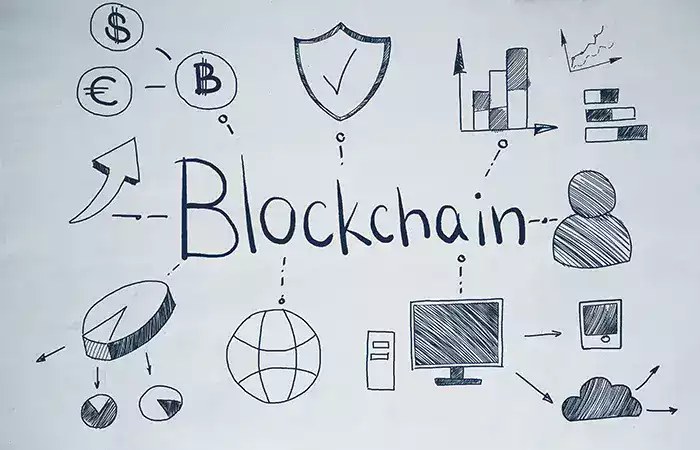
Blockchain technology is one of the most talked-about innovations in the digital world, yet many people still find it confusing. The word itself sounds technical, and it is often linked to cryptocurrency, which makes it seem even more complex. But blockchain is not just about digital coins. It is a system for recording information in a way that is secure, transparent, and difficult to alter.
In simple terms, blockchain is a digital method of storing records. Instead of keeping information in one central place, it distributes the same record across many computers. This creates a system based on trust through technology rather than trust in a single person, bank, company, or authority.
That is why blockchain matters today. It offers a different way to store, verify, and share information. It can be used for payments, contracts, supply chains, identity systems, healthcare records, and much more. Even if you never invest in cryptocurrency, understanding blockchain helps you understand where technology is moving.
In this beginner-friendly guide, you will learn what blockchain technology is, how it works step by step, why it matters, and how it may affect the future of digital life.
What Is Blockchain Technology in Simple Terms
Blockchain is a digital ledger. A ledger is simply a record of transactions or information. In traditional systems, this ledger is usually stored and managed by one central authority, such as a bank, company, or government office.
Blockchain works differently.
Instead of storing information in one central database, blockchain stores copies of the record across a network of computers. These records are grouped into blocks, and each block is linked to the previous one. That is why it is called a blockchain.
In simple words:
Blockchain is a chain of digital blocks that store information securely and transparently.
Each block contains data, and once it is added to the chain, changing it becomes extremely difficult. This makes blockchain valuable for situations where trust, accuracy, and security are important.
Why Blockchain Is Different from Traditional Databases
To understand blockchain clearly, it helps to compare it with a traditional database.
A traditional database usually has:
One central owner
One main server or storage system
Permission controlled by one authority
Easier editing or deletion of records
A blockchain usually has:
A distributed network
Multiple copies of the same record
Shared verification
Records that are very hard to change once confirmed
This difference matters because blockchain reduces dependence on a single controlling point. Instead of trusting one institution, users trust the network and the rules of the system.
How Blockchain Works Step by Step
Blockchain sounds difficult until you break it into simple steps. Here is how it works.
Step 1: A Transaction or Record Is Created
Everything begins when new information is entered into the system. This could be:
A cryptocurrency payment
A contract agreement
A product shipment update
A digital identity record
For example, imagine one person sends digital money to another person. That action creates a transaction.
Step 2: The Transaction Is Broadcast to the Network
Once the transaction is created, it is sent to a network of computers, often called nodes. These computers participate in maintaining the blockchain.
Each node receives the information and prepares to verify whether it is valid.
This is important because blockchain does not rely on one central office to approve the transaction. The network participates in the validation process.
Step 3: The Network Verifies the Transaction
The computers in the network check the transaction according to the blockchain’s rules.
They may verify things such as:
Whether the sender has enough funds
Whether the digital signature is valid
Whether the transaction follows the protocol
Whether the same asset has already been spent elsewhere
This verification process helps prevent fraud, duplication, or false entries.
Step 4: The Verified Transaction Is Grouped into a Block
Once verified, the transaction is grouped with other recent verified transactions. Together, they form a new block.
A block usually contains:
The transaction data
A timestamp
A reference to the previous block
A unique digital code called a hash
This hash acts like a fingerprint for the block. If the information inside the block changes, the hash changes too.
Step 5: The New Block Is Linked to the Previous Block
The new block is then attached to the blockchain by referencing the block before it.
This is a key part of blockchain security.
Because each block is linked to the previous one, changing one block would require changing all the blocks after it as well. On a large distributed network, that becomes extremely difficult.
That chain structure is what gives blockchain much of its strength.
Step 6: The Blockchain Is Updated Across the Network
After the new block is added, the updated blockchain is shared across the network. All participating computers receive the latest version.
This means many copies of the ledger exist at the same time.
Because the record is distributed, the system becomes more resilient. If one computer fails, the others still maintain the record.
Step 7: The Record Becomes Permanent and Transparent
Once added, the information becomes part of the permanent record.
In many blockchains, anyone can view the transaction history, though personal identities may not always be directly visible. This creates transparency while still using digital addresses rather than plain names.
This combination of transparency, permanence, and decentralization is what makes blockchain unique.
What Makes Blockchain Secure
Blockchain is considered secure for several reasons.
1. Decentralization
No single person or institution controls the whole system. This reduces the risk of one point of failure.
2. Cryptography
Blockchain uses advanced mathematical methods to secure data and verify ownership.
3. Immutability
Once information is added and confirmed, changing it is extremely difficult.
4. Consensus Mechanisms
The network follows rules to agree on what is valid. This prevents random or fake records from being added easily.
Together, these features make blockchain more resistant to tampering than many traditional systems.
What Is a Block in Blockchain
A block is one unit of stored information inside the blockchain.
You can think of a block like a page in a record book. But instead of paper, it is digital, and instead of one person controlling it, many computers share it.
A block commonly includes:
A list of transactions or records
The time the block was created
The hash of the current block
The hash of the previous block
Because blocks are connected through hashes, the chain stays linked in order.
What Is a Hash and Why Does It Matter
A hash is a unique digital code generated from the information inside a block.
Even a tiny change in the data produces a completely different hash. That is why hashes are so useful for security.
If someone tries to change old blockchain data, the hash no longer matches. The network can detect that something is wrong.
This is one reason blockchain records are considered difficult to alter.
Real-Life Uses of Blockchain Technology
Blockchain is not limited to cryptocurrency. It has many possible real-world uses.
1. Digital Payments
Blockchain can transfer value directly between users without relying entirely on traditional intermediaries.
2. Supply Chain Tracking
Companies can use blockchain to record where products come from and how they move from one stage to another.
3. Smart Contracts
These are digital agreements that execute automatically when certain conditions are met.
4. Identity Verification
Blockchain can help store secure digital identity records.
5. Healthcare Records
It may help improve record sharing and data integrity in healthcare systems.
6. Voting Systems
Some propose blockchain-based voting for greater transparency and auditability, though practical challenges still exist.
These uses show that blockchain is really about trusted digital records, not only money.
Benefits of Blockchain Technology
Blockchain offers several important advantages.
Transparency
Participants can view the history of records on the chain, depending on the type of blockchain.
Security
Cryptography and decentralization help protect data.
Traceability
Blockchain can show the history of an asset or transaction.
Reduced Dependence on Intermediaries
Some processes can be handled directly through the network.
Data Integrity
Once data is confirmed, it is much harder to manipulate.
These benefits make blockchain attractive for industries that need accuracy, accountability, and trust.
Challenges and Limitations of Blockchain
Blockchain also has limitations, and it is important to be realistic.
1. Complexity
For beginners, the technology can be hard to understand.
2. Speed
Some blockchain networks are slower than traditional systems for certain tasks.
3. Energy Use
Some blockchain models consume significant energy.
4. Regulation
Laws and rules around blockchain applications continue to evolve.
5. Scalability
As networks grow, handling large volumes efficiently can be difficult.
So while blockchain is powerful, it is not the perfect solution for every problem.
Why Blockchain Matters Today
Blockchain matters because the world is becoming more digital, and digital systems need trust.
People want ways to:
Verify transactions
Protect information
Reduce fraud
Track assets
Automate agreements
Create stronger digital systems
Blockchain offers one possible path toward that future.
It introduces a model where trust can be built into the structure of the system itself. That idea is powerful, especially in areas where records, ownership, and verification matter deeply.
Blockchain and the Future
Blockchain is still evolving. Some uses may grow quickly, while others may remain limited. But the core ideas behind blockchain—decentralization, transparency, and secure recordkeeping—will likely continue influencing technology for years.
Even if blockchain changes form or new systems improve on it, learning how it works today gives you a strong foundation for understanding the future of finance, digital identity, smart contracts, and trusted online systems.
Conclusion
Blockchain technology may seem intimidating at first, but its core idea is simple: it is a secure digital record system built from linked blocks of information shared across a network.
Instead of depending on one central authority, blockchain spreads trust across many computers and protects records through structure, verification, and cryptography. That is what makes it different from traditional databases and what makes it so important in today’s digital world.
You do not need to be a developer or investor to understand blockchain. By learning the basics, you become better prepared to understand modern technology, digital systems, and the changes shaping the future.
The most important takeaway is this: blockchain is not just about cryptocurrency. It is about building systems where information can be stored, verified, and shared with greater security and transparency.
As technology keeps evolving, blockchain will remain an important concept to watch, understand, and use wisely.



0 Comments