


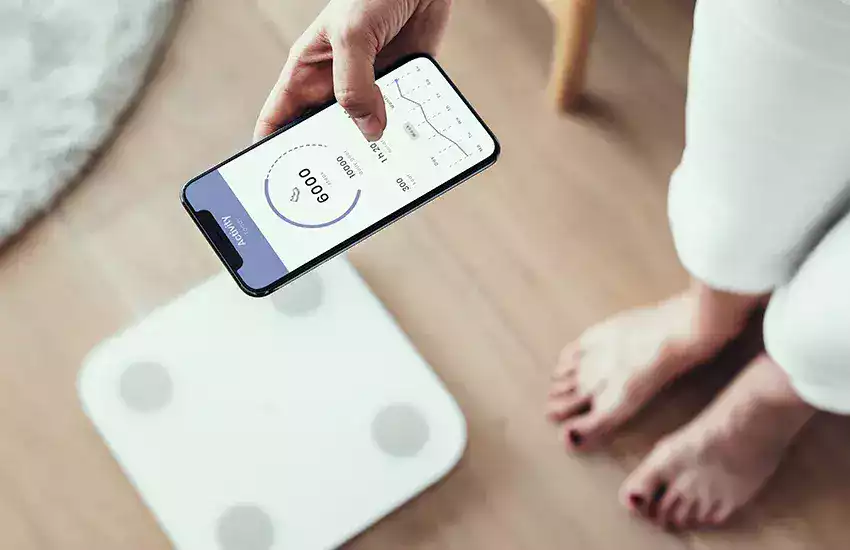
Body metrics. Smart scales have become increasingly common in modern homes. Unlike traditional bathroom scales that simply display body weight, smart scales provide a broader picture of body composition and health trends.
They claim to measure:
Body fat percentage
Muscle mass
Bone mass
Body water percentage
Body mass index (BMI)
Basal metabolic rate (BMR)
But how do these devices actually work?
Are the measurements accurate?
Should you rely on them for health decisions?
Understanding how smart scales function helps you use them wisely and responsibly.
In this detailed guide, you will learn:
What smart scales are
How bioelectrical impedance analysis works
What each body metric means
Accuracy considerations
Benefits and limitations
How to interpret results safely
Let’s explore this clearly and responsibly.
What Is a Smart Scale?
A smart scale is a digital weighing device that connects to a smartphone app via:
Bluetooth
Wi-Fi
In addition to body weight, it estimates body composition using electrical sensors embedded in the scale platform.
Data is automatically stored and displayed in charts over time.
This allows users to track trends rather than isolated readings.
How Smart Scales Measure Body Composition
Most smart scales use a method called Bioelectrical Impedance Analysis (BIA).
Here’s how it works:
You step on the scale barefoot.
The scale sends a very small electrical current through your body.
The current travels differently through fat, muscle, and water.
The device measures resistance (impedance).
Algorithms estimate body composition based on resistance and user data.
The electrical current is extremely low and generally considered safe for most people, though certain individuals (such as those with implanted medical devices) should consult a physician before use.
Why Electrical Resistance Matters
Different tissues conduct electricity differently.
Muscle contains more water and conducts electricity easily.
Fat contains less water and resists electrical flow.
Bone has higher resistance.
By measuring how quickly the electrical signal passes through the body, the scale estimates proportions of fat and lean mass.
However, these are estimations — not direct measurements.
Understanding Body Weight
Body weight remains the most straightforward measurement.
Smart scales measure weight using pressure sensors similar to traditional digital scales.
Weight alone does not distinguish between:
Fat
Muscle
Water
Bone
That is why body composition metrics are included.
What Is Body Fat Percentage?
Body fat percentage estimates how much of your body weight consists of fat tissue.
For adults, healthy ranges vary depending on:
Age
Gender
Fitness level
It is important to understand:
Smart scales estimate body fat based on electrical impedance, not direct imaging.
Clinical methods like DEXA scans provide more precise measurements.
Use body fat percentage as a trend indicator rather than an exact number.
What Is Muscle Mass?
Muscle mass refers to the estimated amount of skeletal muscle in the body.
Increases in muscle mass may reflect:
Strength training
Improved fitness
Changes in body composition
Because hydration affects electrical conductivity, muscle estimates can fluctuate based on water balance.
Consistency in measurement conditions improves reliability.
Body Water Percentage Explained
Body water percentage measures how much of your total body weight consists of water.
Hydration levels significantly affect BIA results.
Dehydration can:
Increase resistance
Alter body fat readings
For best accuracy:
Weigh yourself at the same time daily
Avoid measuring immediately after exercise
Maintain consistent hydration levels
Understanding BMI
Body Mass Index (BMI) is calculated using:
Weight ÷ (Height squared)
BMI provides a general classification:
Underweight
Normal weight
Overweight
Obesity
However, BMI does not distinguish between fat and muscle.
Athletes may have high BMI due to muscle mass, not excess fat.
BMI is a screening tool — not a diagnostic measure.
What Is Basal Metabolic Rate (BMR)?
BMR estimates how many calories your body burns at rest.
Smart scales calculate BMR using:
Age
Gender
Weight
Height
Body composition estimates
This is a mathematical calculation — not a direct measurement.
It provides a rough estimate for energy needs.
Accuracy Considerations
Smart scales are convenient but have limitations.
Factors affecting accuracy include:
Hydration levels
Time of day
Recent meals
Exercise
Device calibration
Foot placement
Clinical methods such as:
DEXA scans
Hydrostatic weighing
Bod Pod testing
provide more precise body composition data.
Home smart scales prioritize convenience over medical precision.
The Importance of Trend Tracking
Instead of focusing on single readings, observe trends over time.
For example:
Gradual fat percentage reduction
Steady muscle mass increase
Stable hydration levels
Trend data is more meaningful than daily fluctuations.
Consistency matters more than perfection.
Benefits of Smart Scales
Smart scales offer several advantages:
1. Increased Awareness
Users gain insight into body composition changes.
2. Motivation
Progress tracking encourages healthy behavior.
3. Data Integration
Many scales sync with:
Fitness trackers
Health apps
Nutrition tracking apps
Integrated data provides a broader health overview.
4. Accountability
Regular tracking promotes discipline.
Limitations and Misinterpretations
Smart scales cannot:
Diagnose medical conditions
Replace professional health assessments
Detect internal health problems
Misinterpreting small daily changes may cause unnecessary stress.
Body composition fluctuates naturally.
Who Should Use Smart Scales Cautiously?
Individuals who should consult healthcare providers before using smart scales include:
People with implanted medical devices (such as pacemakers)
Pregnant individuals
Those with specific medical conditions
Although electrical currents are minimal, medical advice ensures safety.
Psychological Considerations
Frequent weighing may increase anxiety for some individuals.
Healthy usage involves:
Focusing on long-term trends
Avoiding obsessive daily measurements
Understanding normal variability
Smart scales should support healthy habits — not create stress.
Best Practices for Consistent Readings
To improve consistency:
Weigh yourself at the same time daily (morning is ideal)
Use the scale on a flat, hard surface
Stand still during measurement
Avoid weighing immediately after eating or exercising
Routine improves data reliability.
Smart Scales and Chronic Health Monitoring
In some cases, weight trends can help monitor conditions such as:
Fluid retention
Heart health
Kidney-related swelling
However, medical interpretation remains essential.
Never adjust treatment based solely on scale readings.
Data Privacy Considerations
Smart scales store personal health data.
Protect yourself by:
Using strong passwords
Reviewing app privacy policies
Enabling two-factor authentication
Avoiding unsecured public Wi-Fi
Health data deserves protection.
The Future of Smart Body Monitoring
Emerging innovations include:
More advanced sensors
Improved body composition algorithms
AI-based trend analysis
Integration with telemedicine systems
Multi-frequency impedance for better precision
Technology continues improving, but limitations remain.
Why Smart Health Literacy Matters
Understanding how smart scales work prevents:
Overconfidence in accuracy
Misinterpretation of normal fluctuations
Unnecessary anxiety
Informed use leads to better decisions.
Technology is a tool — not a diagnosis.
Final Thoughts
Smart scales track weight and body metrics daily using bioelectrical impedance and digital sensors.
They provide helpful estimates for:
Body fat
Muscle mass
Water percentage
BMI
BMR
Their greatest value lies in long-term trend tracking.
They are lifestyle tools designed to increase awareness and motivation.
However, they do not replace professional medical evaluation.
Used responsibly, smart scales can support healthier habits, encourage consistency, and provide structured insight into physical changes.
Balanced interpretation ensures that technology enhances well-being rather than complicates it.



0 Comments