


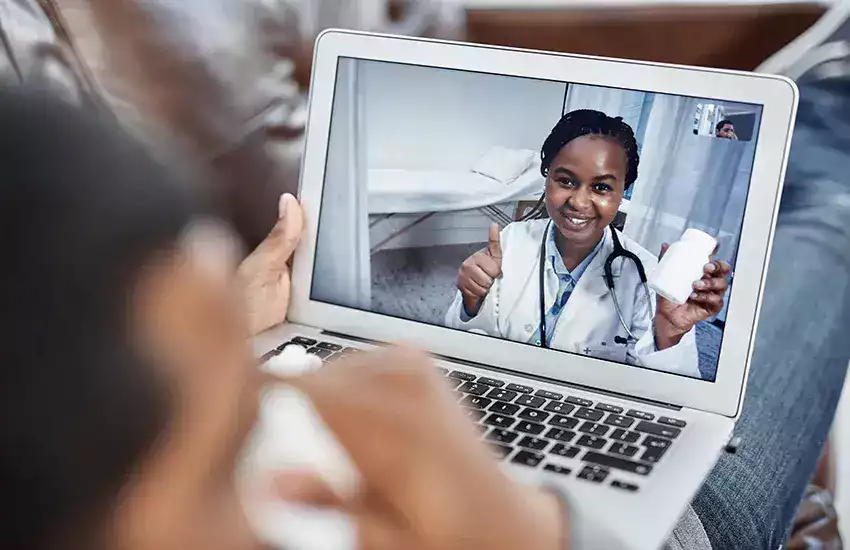
Healthcare has traditionally required physical presence. You schedule an appointment, travel to a clinic, sit in a waiting room, and consult a doctor face to face. For decades, this model defined how medical care was delivered.
But technology has reshaped that experience.
Telemedicine — the delivery of healthcare services through digital communication tools — is transforming how patients access medical professionals.
From video consultations to remote monitoring systems, telemedicine is expanding healthcare access in ways that were not possible just a few years ago.
In this comprehensive guide, you will learn:
What telemedicine really is
How it works technically
The types of services available
The benefits and limitations
Privacy and safety considerations
When telemedicine is appropriate
Let’s explore this clearly and responsibly.
What Is Telemedicine?
Telemedicine refers to the use of digital communication technologies to provide medical care remotely.
This may include:
Video consultations
Phone consultations
Secure messaging
Remote patient monitoring
Digital prescription management
Telemedicine does not eliminate traditional healthcare — it complements it.
How Telemedicine Works
Telemedicine typically involves three components:
1. Digital Communication Platform
Patients connect through:
Mobile apps
Secure websites
Video conferencing platforms
Dedicated healthcare portals
These systems must comply with healthcare privacy regulations.
2. Electronic Health Records (EHR)
Doctors access patient medical histories digitally.
This includes:
Previous diagnoses
Medication lists
Lab results
Imaging reports
Digital records improve continuity of care.
3. Remote Monitoring Tools
Some patients use devices that transmit health data such as:
Blood pressure readings
Blood glucose levels
Heart rate
Oxygen saturation
Data can be shared with providers in real time.
Types of Telemedicine Services
Telemedicine is not limited to simple video calls.
1. Primary Care Consultations
General health concerns, follow-ups, and prescription renewals.
2. Mental Health Services
Therapy sessions are often effectively delivered remotely.
3. Chronic Condition Monitoring
Patients with long-term illnesses can share regular data with providers.
4. Specialist Consultations
Referrals to specialists can occur without geographic barriers.
5. Post-Surgical Follow-Up
Virtual check-ins may reduce unnecessary travel.
Benefits of Telemedicine
Telemedicine provides several advantages.
1. Increased Accessibility
Patients in rural or underserved areas gain access to specialists.
Travel time is reduced significantly.
2. Convenience
Appointments can be scheduled more flexibly.
Waiting rooms are eliminated.
3. Reduced Exposure to Illness
Remote consultations reduce exposure to contagious diseases.
This became especially relevant during global health crises.
4. Improved Chronic Care Management
Frequent monitoring improves disease management.
Providers can adjust treatment plans more quickly.
5. Cost Efficiency
Telemedicine may reduce:
Travel expenses
Missed work hours
Facility overhead costs
However, coverage depends on insurance policies and local regulations.
When Telemedicine Works Best
Telemedicine is effective for:
Minor illnesses
Medication management
Routine follow-ups
Mental health sessions
Reviewing test results
Lifestyle counseling
It is less suitable for emergencies or complex physical examinations.
Limitations of Telemedicine
Telemedicine is not a replacement for all medical care.
Limitations include:
1. Physical Examination Constraints
Certain conditions require in-person examination.
2. Technology Access Barriers
Some patients may lack:
Reliable internet
Suitable devices
Digital literacy
3. Diagnostic Limitations
Remote consultations may limit diagnostic capabilities.
Imaging and lab tests still require physical facilities.
4. Privacy Risks
Improperly secured platforms may compromise patient data.
Secure systems are essential.
Privacy and Security in Telemedicine
Because telemedicine involves sensitive health data, security is critical.
Patients should:
Use secure networks
Avoid public WiFi
Verify official platforms
Protect login credentials
Healthcare providers must comply with regulatory standards.
Data encryption and secure authentication are necessary.
Telemedicine and Chronic Conditions
Telemedicine has significantly impacted chronic disease management.
For example:
Patients can log blood pressure readings at home.
Diabetic patients can share glucose data digitally.
Heart patients can transmit ECG readings remotely.
This allows:
Faster adjustments to treatment
Continuous oversight
Reduced hospital visits
However, medical supervision remains essential.
The Role of Artificial Intelligence
Some telemedicine systems integrate AI to:
Triage symptoms
Prioritize urgent cases
Detect abnormal patterns
Assist in documentation
AI supports decision-making but does not replace clinicians.
Human oversight remains necessary.
Telemedicine in Mental Health Care
Mental health services have seen strong adoption of telemedicine.
Benefits include:
Increased comfort for patients
Reduced stigma
Flexible scheduling
Broader access to therapists
Studies suggest remote therapy can be as effective as in-person sessions for many conditions.
The Impact on Healthcare Systems
Telemedicine reduces strain on:
Emergency rooms
Outpatient clinics
Hospital resources
It allows healthcare systems to allocate resources more efficiently.
However, infrastructure investment is required.
Digital Health Literacy Matters
Patients must understand:
How to use telemedicine platforms
When telemedicine is appropriate
When in-person care is necessary
Smart usage improves safety.
Blind reliance creates risk.
The Future of Telemedicine
Telemedicine continues evolving.
Emerging trends include:
Expanded remote diagnostics
Home-based testing kits
Wearable integration
AI-powered symptom analysis
Greater cross-border consultation access
Technology is increasing care flexibility.
When to Seek In-Person Care
Telemedicine should not delay urgent care.
Seek immediate medical attention for:
Severe chest pain
Difficulty breathing
Sudden neurological symptoms
Major trauma
Severe allergic reactions
Emergency care requires physical presence.
Balancing Technology and Human Care
Healthcare is both technical and human.
Telemedicine enhances:
Accessibility
Efficiency
Monitoring
But physical examinations, empathy, and direct clinical evaluation remain critical.
Technology should support, not replace, medical expertise.
Final Thoughts
Telemedicine is changing access to healthcare by removing geographic and logistical barriers.
It offers:
Convenience
Increased accessibility
Chronic condition support
Mental health flexibility
Cost and time efficiency
However, telemedicine is not universal.
It is most effective when used appropriately, securely, and under professional supervision.
Smart health technology improves care delivery — but responsible use ensures safety.
Healthcare is evolving, and telemedicine is now a permanent part of that transformation.



0 Comments