


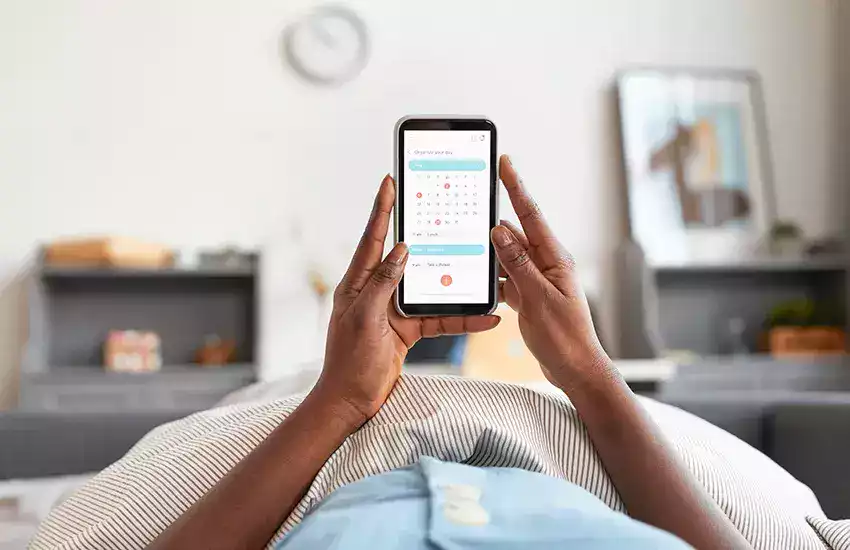
Managing a chronic condition requires consistency, awareness, and structured monitoring. Whether someone is living with diabetes, hypertension, kidney disease, heart conditions, or autoimmune disorders, daily decisions can influence long-term outcomes.
In recent years, health apps have become powerful tools that help individuals track symptoms, medications, biometrics, and lifestyle habits.
But how do these apps actually help?
Are they reliable?
Can they improve medical outcomes?
Understanding how health apps work allows you to use them intelligently — as supportive tools, not replacements for professional care.
In this comprehensive guide, you will learn:
What health tracking apps are
How they assist chronic condition management
What types of data they collect
Their benefits and limitations
Privacy and safety considerations
How to use them responsibly
Let’s explore this step by step.
What Are Health Tracking Apps?
Health tracking apps are digital tools installed on smartphones or tablets that allow users to log and monitor health-related data.
They may track:
Blood glucose levels
Blood pressure readings
Weight changes
Medication schedules
Physical activity
Diet
Sleep patterns
Symptom changes
Some apps integrate with wearable devices for automatic data entry.
Why Tracking Matters in Chronic Conditions
Chronic conditions require long-term monitoring.
Unlike acute illnesses, chronic diseases:
Develop gradually
Require lifestyle adjustments
Need medication adherence
Involve trend analysis
Tracking provides visibility into patterns.
Without structured data, small changes may go unnoticed.
Example: Blood Glucose Monitoring
For individuals managing diabetes, tracking:
Fasting glucose
Post-meal glucose
HbA1c trends
can reveal how diet, exercise, stress, and medication influence blood sugar.
Health apps allow users to:
Log readings manually
Sync with glucose monitors
Generate visual charts
Identify recurring patterns
Trend awareness supports better conversations with healthcare providers.
Example: Blood Pressure Management
For hypertension, consistent logging helps identify:
Morning spikes
Evening variations
Medication effects
Stress-related changes
Many blood pressure monitors now connect directly to mobile apps.
Instead of scattered readings, users gain structured records.
Medication Adherence Support
Medication consistency is critical for chronic conditions.
Health apps can:
Send reminders
Track missed doses
Provide refill alerts
Log side effects
Reminder systems reduce accidental non-adherence.
This can significantly improve treatment outcomes.
Symptom Tracking for Pattern Recognition
Chronic illnesses often fluctuate.
Apps allow users to log:
Fatigue levels
Pain intensity
Swelling
Digestive symptoms
Mood changes
Over time, patterns may emerge.
For example:
Symptoms worsening after certain foods
Increased fatigue during stress
Better days after improved sleep
Pattern recognition empowers informed lifestyle adjustments.
Diet and Nutrition Tracking
Diet strongly influences many chronic conditions.
Apps can:
Log food intake
Calculate macronutrients
Track sodium intake
Monitor hydration
Estimate calorie balance
For kidney disease, for example, tracking phosphorus, potassium, or sodium intake may be important.
Structured logging improves awareness.
Weight Monitoring and Trends
Gradual weight changes often signal health shifts.
Apps help monitor:
Weekly changes
Fluid retention patterns
Body mass trends
Visual graphs provide clearer insight than memory alone.
Data Visualization and Reports
One of the strongest advantages of health apps is visualization.
Instead of isolated numbers, users see:
Charts
Trend lines
Comparative analysis
Historical summaries
This improves understanding.
Numbers become meaningful when viewed over time.
Sharing Data With Healthcare Providers
Some apps allow data export or direct sharing with doctors.
This helps providers:
Review long-term patterns
Adjust medications
Identify risk areas
Make evidence-based decisions
Accurate records improve medical consultations.
Integration With Wearables and Devices
Modern health apps often sync with:
Smartwatches
Glucose monitors
Blood pressure cuffs
Smart scales
Automatic syncing reduces manual entry errors.
However, device accuracy still varies.
The Role of AI in Health Apps
Some advanced apps use artificial intelligence to:
Detect abnormal trends
Predict risk changes
Provide personalized recommendations
Alert users to concerning patterns
AI analysis supports proactive awareness.
But AI insights remain advisory, not diagnostic.
Benefits of Using Health Apps
1. Increased Awareness
Tracking encourages mindful decision-making.
2. Structured Monitoring
Data is organized and accessible.
3. Early Pattern Detection
Trends may reveal early warning signs.
4. Improved Doctor Communication
Structured data improves clinical discussions.
5. Motivation and Accountability
Logging creates consistency.
Limitations of Health Apps
Despite benefits, apps have limitations.
1. Data Accuracy
Manual input errors can distort trends.
2. Device Inaccuracy
Home devices may not match clinical precision.
3. Over-Interpretation
Users may misinterpret minor fluctuations.
4. Anxiety Risk
Constant monitoring may increase stress for some individuals.
Balance is essential.
Privacy and Data Security
Health data is sensitive.
Before using an app:
Review privacy policy
Understand data sharing practices
Enable secure passwords
Activate two-factor authentication
Avoid apps with unclear data policies.
Data protection matters.
Responsible Use Guidelines
To use health apps safely:
Use them as supplementary tools
Continue regular medical checkups
Avoid self-diagnosis
Confirm abnormal readings clinically
Focus on long-term trends, not daily variation
Apps support care — they do not replace it.
The Psychological Impact of Tracking
Tracking can motivate positive behavior.
However, excessive monitoring may cause:
Obsession
Anxiety
Stress
If tracking increases worry, adjust frequency.
Technology should support well-being.
Chronic Condition Management Is Long-Term
Chronic illnesses require:
Consistency
Patience
Adaptation
Regular evaluation
Health apps simplify record-keeping but cannot eliminate complexity.
Medical supervision remains essential.
The Future of Smart Health Tracking
Emerging developments include:
Real-time remote monitoring
Predictive risk modeling
More accurate wearable sensors
Enhanced integration with healthcare systems
Improved patient-provider digital communication
Smart health ecosystems continue evolving.
Why Smart Health Literacy Matters
Understanding how health apps function prevents:
Blind reliance
Misinterpretation
Data misuse
Smart health literacy means knowing:
What technology can do
What it cannot do
When to consult professionals
Awareness improves safety.
Final Thoughts
Health apps can be powerful tools for tracking chronic conditions.
They offer:
Structured monitoring
Visual trend analysis
Medication reminders
Symptom logging
Improved communication with providers
However, they are supportive technologies — not medical authorities.
When used responsibly, health apps:
Increase awareness
Encourage consistency
Promote proactive management
The key is informed use.
Technology can strengthen chronic condition management, but professional medical guidance remains irreplaceable.

0 Comments